
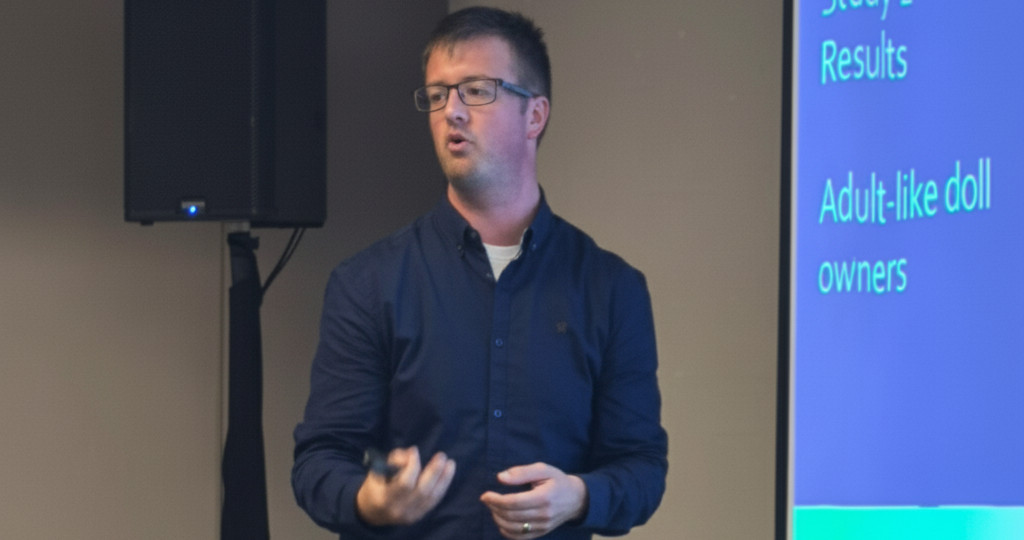
Hosts Brandy and Jeremy talk with Dr. Craig Harper of Nottingham Trent University about his research on whether fantasy sexual materials—like AI-generated images, cartoons, or sex dolls—are linked to real-world offending.
Dr. Harper explains that, despite common policy assumptions, there’s no evidence such materials increase risk. Across multiple studies, his team has found no connection between fictional sexual content and offending, and in some cases, higher sexual satisfaction may even relate to lower self-reported risk.
He discusses the ethical limits of this research, why criminalization may target low-risk individuals, and how therapists can thoughtfully navigate disclosures about fantasy material use. Harper also addresses the backlash researchers face when data challenge moral intuitions, urging listeners to base prevention efforts on evidence, not instinct.
Podcast: Play in new window | Download
2 thoughts on “Beyond the Filter: Fantasy Sexual Materials and Offending”
Please consider active outreach into anime and shipping communities to get more recruitment. People there have experienced harrassment and know people in their own communities who have taken their lives due to bullying moralists. There is real frustration to be tapped into.
Thank you Brandy and Jeremy for bringing in guests such as Dr. Craig Harper. This conversation really reveals how difficult it is to do science close to a topic relating to abuse. I found the entire conversation incredibly valuable and I were not aware of Dr. Craig’s work until now.
Like mentioned in the episode, be it due to environment or culture, it’s easy for me and many others to come to conclusion that fictional, victim-less expressions of sexuality would lead to more harm. In many ways it seems like a logical conclusion. When someone engages in activity that many would consider awful/obscene in fictional setting, it feels like fictional setting might be normalizing certain behaviors in mind of one engaging in it leading to real harm. But that link to real harm as far as I’m aware has not been established by actual research. And when we hear more points of view, including many survivors we learn that the landscape of harm, its causes and how to reduce it is way more nuanced than this simplistic, supposedly rational idea we think of first.
I’ve learned plenty when researching this topic, one of the biggest wow moments for me was when I’ve read some SA survivors apparently find comfort in creating or consuming fictional content involving minors in sexual situations, empowering them – making them feel more in control. Fact that some feel empowered by this type of content in itself doesn’t justify anything in particular, that said, learning this opened my eyes that there is use of such material that I could never anticipate due to my entirely different experience.
The path forward is to listen, explore and understand each other’s needs, for that we need to be open minded. Many of us wish that there was more science in law making process, this is sadly far from current situation, with emotions, lobbying and greed being primary drivers for new law (my opinion).
Good luck with your mission folks involved in this important advocacy, thank you for fighting for my rights as well, despite negative outlook of today for rights for sexual expression and minorities.