|
|
Burn Your Comics
Burn your comics... the thought police are coming. Welcome to the second newsletter of the Center for Online Safety and Liberty (COSL). In this issue we highlight some alarming trends from around the United States that are seeking to revive outdated obscenity laws in order to weaponize them against queer people, artists, fans, sex educators, and dissidents.
|
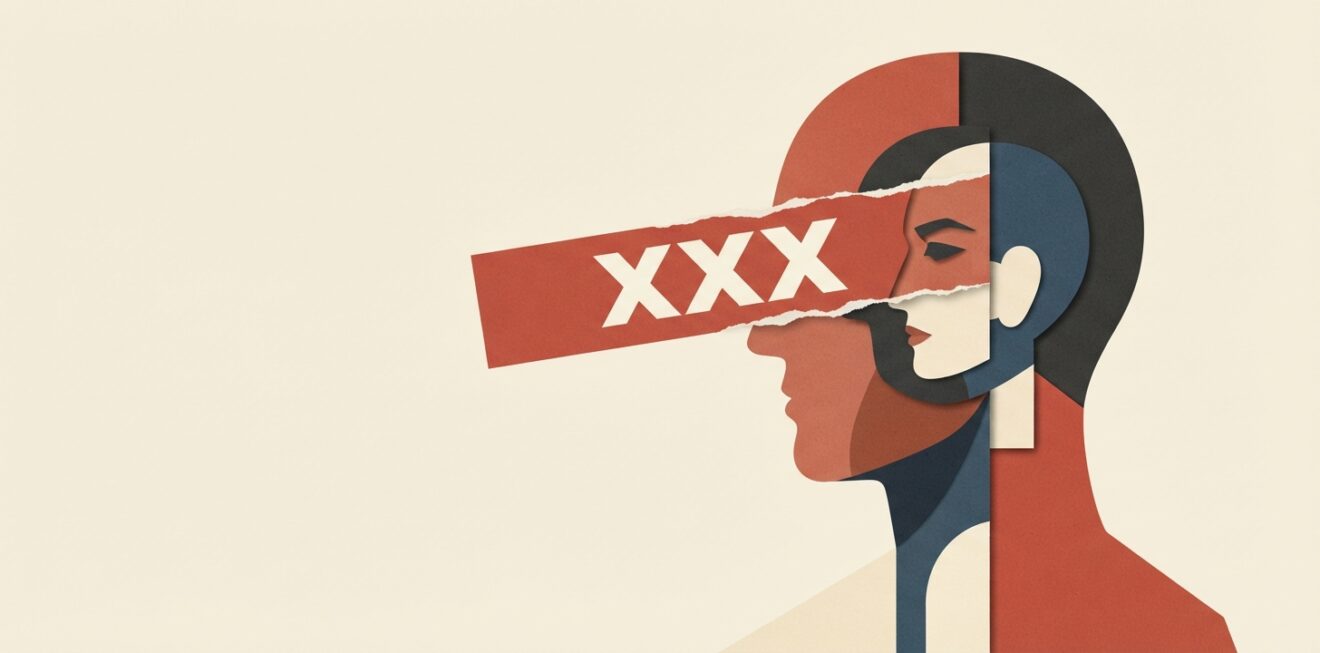
Because of the way that federalism in the United States works, this police state agenda can't be enacted all in a single law, so it's a dual-pronged attack. First, at the federal level, we're up against the Interstate Obscenity Definition Act—a frightening attempt to redefine a broad range of sexual content as obscene and unprotected by the First Amendment's guarantee of freedom of expression. Fulfilling a chilling Project 2025 agenda item, it would allow anyone who shares such content online to be prosecuted.
|
But there are limits to what the Federal government can do, which is why conservative states are filling in the gaps. For example, Texas goes a step further in its Bill SB 20 which passed the second house of Parliament last week. It allows people to be prosecuted for simply possessing obscene content, which is where "burn your comics" comes in—many commentators believe this law to be targeted at anime and manga. The bill is likely unconstitutional, but few may be willing to risk putting that to the test.
|
So what is COSL doing about all this? We're reacting at both levels. At the Federal level in the United States, we're coordinating a campaign against the Interstate Obscenity Definition Act: you can read more about this in our first featured blog article below. Then at the state level, we're intervening in a Wisconsin lawsuit, in which the government is seeking to overturn a decades-old Supreme Court precedent that allows for the private possession of "obscene" material. We'll give more news about that case in a future newsletter.
|
|
If you missed our first newsletter (or if it was delivered into your spam folder—a problem that we've since fixed), you can check out the archive online. If you know of anyone else who might like to receive future issues, please feel free to forward this to them and let them know that they can subscribe here. Otherwise, keep reading to learn more about the Interstate Obscenity Definition Act, our Harmful to Minors project, our second Beyond the Filter podcast episode, and more.
|
|
|
|
|
|

|
|

|
The Latest from Our Blog
|
|
|
Pornography, Harm, and the Limits of the Law
|
|
|
|
Mick Moran, chief executive of the Irish Internet Hotline and a board member of INHOPE, the international association of internet reporting hotlines, argued recently in the Irish Examiner that "'ordinary' porn is now a gateway to child sex abuse material". Recommendation systems, he writes, feed an appetite for novelty and taboo until some viewers cross from adult pornography into recordings of children being …
|
|
|
|
|
|
|
|
What Wattpad's New Rules and the Rush to AO3 Truly Reveal
|
|
|
|
When Wattpad quietly rewrote its content guidelines last month, its writers didn't wait around for the hammer to fall. Overnight, they began packing up their archives (years of stories, millions of words) and migrating them to Archive of Our Own (AO3). Wattpad had just banned stories "created primarily for sexual arousal." From the outside, it’s easy to dismiss this as …
|
|
|
|
|
|
|
|
Drawing the Line: Online Harm, Queer Expression, and Platform Governance in Asia-Pacific
|
|
|
|
October 6 at 10:15–11:15 NPT, 4:30 UTC, 14:30 AEST, 21:30 PST, October 7 at 0:30 EST Across the Asia-Pacific region, governments and online platforms are expanding systems intended to protect children and adults from "online harms", including pornography, AI-generated abuse, obscenity, extremism and disinformation. Yet these frameworks increasingly affect communities and forms of expression far beyond their original targets, often …
|
|
|
|
|
|
|
|
Medical School Berlin workshop
|
|
|
|
Perspectives on Child Sex Stories – A Panel DiscussionSeptember 28 at 7:00–9:30 BST, 8:00–10:30 CEST, 16:00–18:30 AEST, 23:00–1:30 PDT To date, little to no empirical research exists on text-based depictions of sexual interactions involving underage characters (for an overview, see Lehmann et al., 2025). From a theoretical point of view, these so-called child sex stories have been proposed as a protective factor (e.g. providing …
|
|
|
|
|
|
|
|
|
|
|
|
COSL Seeks Volunteer Activist
|
Would you like to help design and execute online advocacy campaigns, like our campaign against the Interstate Obscenity Definition Act mentioned earlier in this newsletter?
|
COSL is looking for a passionate volunteer activist to help lead global advocacy efforts protecting online safety and digital freedoms. This part-time remote role (5–10 hours/week) involves designing and running impactful campaigns, engaging with policymakers and influencers, and staying on top of global developments in digital rights.
|
Ideal candidates are strong communicators with a deep commitment to internet freedom, familiar with advocacy tools and social media, and eager to work in a collaborative international environment. Perks include professional development in advocacy and lobbying, global networking opportunities, and a chance to make a real difference.
|
|
Learn more and apply to be part of the movement to protect digital liberties worldwide.
|
|
|
|
|
|
|
|
|
|
|
|
Coming soon: Justice for Real Survivors
The "Justice for Real Survivors" program is directed towards a simple and growing problem: that politicians and policymakers are intentionally blurring the lines between fictional and non-fictional sex crimes. This is done at the expense of real survivors who see their experiences fictionalized, creative workers who are at risk of being unfairly targeted, and consumers who are left with superficial solutions to complex issues in media representation. These trends are fueled by moral panics, technological misunderstandings, and political pressures that exploit public fears, often at the expense of evidence-based policy and survivor-centered justice.
|
We are currently convening an Advisory Board for the Justice for Real Survivors project, ahead of an official launch for the project in the coming one or two months. Just a few of the activities already planned include:
|
- Developing a statement of principles that brings together survivors, academics, technologists, prevention professionals, artists, lawyers, and other stakeholders in a powerful coalition to oppose the conflation of fictional and non-fictional sex crimes.
- Publishing a multi-jurisdictional legal survey that will expose countries in which real sex crimes and fictional thought-crimes are criminalized using the same laws or receive the same penalties.
- Filing an amicus curiae ("friend of the court") brief in a current lawsuit to defend the principle that allows people to possess victimless sexual content in the privacy of their own homes, without fear of prosecution.
|
|
|
|
|
|
|
|
|
|
|

|
Sneak peek: Fan Refuge
Fan Refuge is an upcoming social media website sponsored by COSL and hosted on Liberato. With more and more restrictions being placed on what fans can create and share, and growing hostility in fan discourse on major platforms, and alternative is sorely needed. Fan Refuge will be a new platform that seeks to maximize the joy of connecting with people who share your passion, while minimizing toxicity. This month, you just get a sneak peek–but next month we'll reveal more. Stay tuned!
|
|
|
|
|
|
|
|
Support our work!
Pledging your monthly support for our work is the best way that you can support us, because it gives us the stability to plan ahead. You can pledge your support at three levels.
|
|
|
|
|
|
|
|
|
|
Keep In Touch With Us
|
 
|
|
|
|
|
|